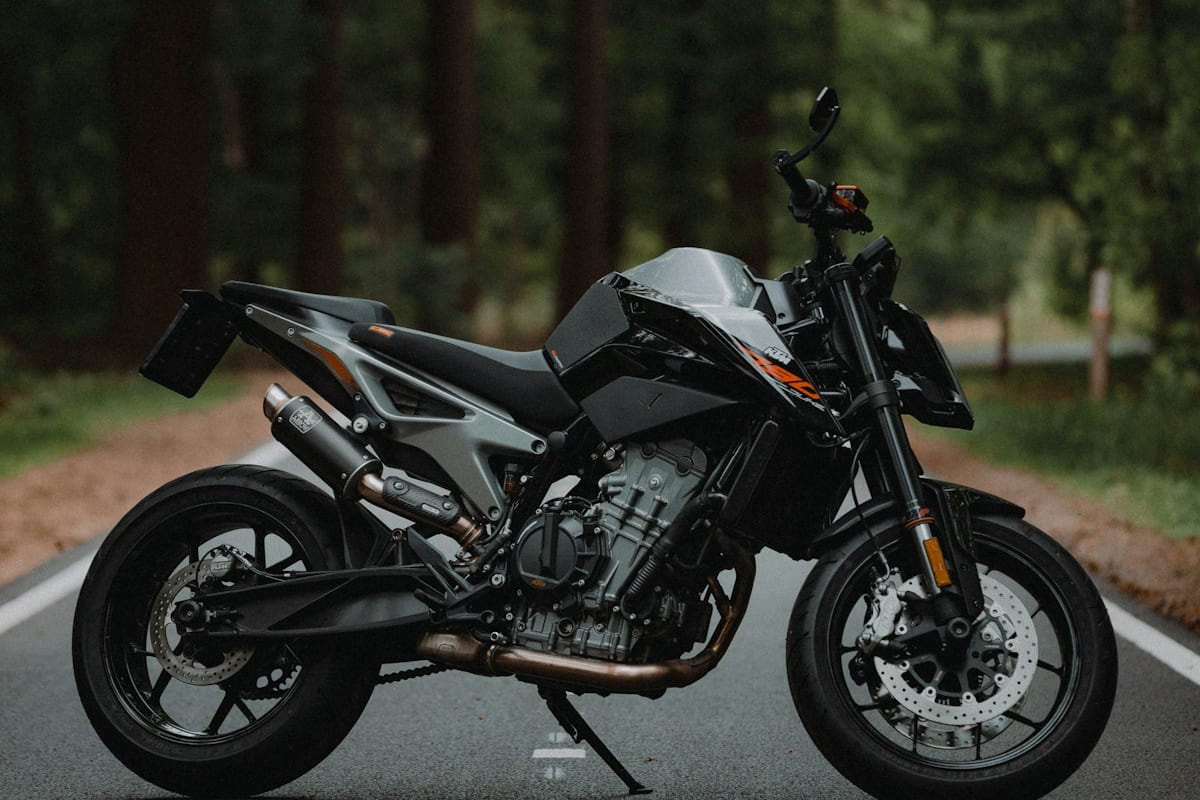
Introduction: Turning the Boda Boda Skill You Already Have Into Steady Income
Across Nairobi, Mombasa, Kisumu, Nakuru, and the smaller towns in between, motorcycles have quietly become the backbone of urban commerce. What started as a way to beat traffic has grown into a logistics network carrying passengers, parcels, food, and increasingly, cooking gas. If you already ride, or you are thinking about buying a motorcycle for a purpose beyond ferrying passengers, becoming a delivery rider for a platform like CylinTech is one of the more practical ways to convert that skill into consistent work.
CylinTech connects households and businesses across Kenya with verified LPG (liquefied petroleum gas) vendors through a simple order system, and every one of those orders needs someone to physically get the cylinder from the vendor's store to the customer's door, safely and on time. That someone is the rider. It is not glamorous work — gas cylinders are heavier, more sensitive cargo than a parcel or a plate of food, traffic in Kenyan towns can be unforgiving, and customers expect professionalism at the doorstep. But for people who understand two-wheeled transport, who are disciplined about safety, and who want work that pays per completed job rather than a fixed wage, it is a genuine opportunity.
This guide walks through what the job actually involves, what CylinTech expects from riders who want to join the platform, how the application process generally works, how earnings are structured, and — because this cannot be overstated — how to handle gas cylinders safely while riding. If you finish reading and decide this is for you, the next step is to apply directly through the rider portal.
What Does a CylinTech Delivery Rider Actually Do?
At its core, the job is simple to describe and demanding to execute well. A customer places an order through the CylinTech order page or app, choosing a cylinder size, a brand, and a delivery address. That order is routed to a nearby verified vendor on the platform's vendor network, and once the vendor confirms stock, a rider is assigned to collect the cylinder and deliver it to the customer.
In practice, a rider's day involves:
- Accepting delivery assignments that appear on the rider app based on proximity and availability.
- Collecting cylinders from a partner vendor's premises, checking the seal, valve condition, and cylinder integrity before loading.
- Securing the load properly on the motorcycle or delivery vehicle so it cannot shift, fall, or strike against anything during transit.
- Navigating to the customer's location, often using GPS-assisted routing to find addresses that may not have formal street numbers.
- Handing over the cylinder, confirming the exchange (and any empty cylinder swap) with the customer, and closing out the order in the app.
- Handling payment confirmation where relevant, since most CylinTech orders are settled digitally before or at the point of delivery.
It is, in short, last-mile logistics for a product that is flammable, moderately heavy, and something people cannot cook or run a business without. That combination — essential product, physical demands, digital coordination — is what makes reliable riders valuable to the platform and to the vendors who depend on them. For a broader sense of how the whole delivery ecosystem fits together, CylinTech's complete guide to LPG delivery in Kenya is a useful companion read before you apply.
Why Become a CylinTech Delivery Rider?
There are a few reasons riders choose gas delivery over other gig delivery categories, and it is worth being honest about both the upside and the trade-offs before you commit.
Essential-goods demand. People do not stop cooking. Unlike food delivery, which can be discretionary, or parcel delivery, which fluctuates with e-commerce seasons, LPG is a household necessity across urban and peri-urban Kenya. That gives the delivery volume a degree of steadiness that other gig categories do not always have.
Flexible working hours. Most riders on delivery platforms set their own availability windows rather than clocking in for a fixed shift, which suits people balancing other commitments, or those who prefer to work heaviest during peak ordering hours — typically mornings and evenings when households and food businesses restock.
Pay tied to completed work. Because earnings are linked to deliveries actually completed rather than hours logged, riders who are efficient, reliable, and good with customers tend to do better than riders who are not. This rewards the qualities that already make someone a good boda boda operator: route knowledge, punctuality, and a calm demeanor with customers.
A foothold in a growing sector. Kenya's clean cooking transition is a policy priority, not just a market trend. Organizations like the World Bank, the International Energy Agency, and the Clean Cooking Alliance have flagged LPG adoption as a critical step in reducing reliance on charcoal and kerosene, meaning delivery infrastructure around LPG is likely to keep expanding. Riding for CylinTech puts you inside that growth curve early — see the piece on LPG and Kenya's clean energy future for more.
That said, this is still gig work. It carries the same realities as any delivery job: no guaranteed minimum income, weather and traffic risk, and physical wear on both rider and machine. Anyone considering it should go in with clear eyes about both the opportunity and the responsibility.
Requirements to Join as a CylinTech Rider
CylinTech vets riders because the cargo demands it. A cylinder that is dropped, punctured, or mishandled is not just a lost delivery — it is a safety hazard for the rider, the customer, and anyone nearby. The requirements below reflect that reality, and while exact onboarding criteria can be confirmed on the rider application page, the general categories are consistent with what any responsible LPG delivery operation should require.
Vehicle Requirements
Most CylinTech deliveries move by motorcycle, since it is the most practical vehicle for navigating Kenyan urban traffic and reaching addresses in denser neighborhoods. Riders are generally expected to have:
- A roadworthy motorcycle in good mechanical condition, with functioning brakes, lights, mirrors, and horn.
- A means of securing cargo, such as a rear carrier rack, cylinder crate, or strapping system that keeps a gas cylinder upright and stable rather than resting loosely against the rider's body or the fuel tank.
- Valid motorcycle registration and insurance, consistent with Kenyan road traffic requirements.
In some areas, particularly for larger commercial or bulk orders, delivery may be handled by bicycle for very short hops or by small delivery vehicles for bigger cylinder sizes or multi-cylinder business orders — for example, deliveries to hotels and restaurants covered in CylinTech's commercial LPG guide. Riders applying with a vehicle other than a standard motorcycle should indicate this clearly during the application so they can be matched to the right kind of order.
License and Documentation
Because this is regulated road transport carrying a hazardous product, documentation is not optional. Riders should expect to provide:
- A valid riding license appropriate to their vehicle class, along with a national ID.
- Proof of motorcycle ownership or authorization to use the vehicle, plus current insurance and registration documents (logbook or equivalent).
- In many cases, a certificate of good conduct or similar background check, since riders are trusted with entry to customers' homes and businesses and with payment handling.
Riders should keep their documentation current — licensing and safety standards for vehicles operating on Kenyan roads are enforced by national authorities, and requirements can be verified through official government service channels such as MyGov. It is worth treating this step seriously rather than as paperwork to rush through, since expired documentation is one of the most common and avoidable reasons an application gets delayed.
Safety Training
Because LPG cylinders require careful handling, riders who join CylinTech typically go through a safety orientation covering:
- How to inspect a cylinder before accepting it — checking the valve, seal, and body for damage or leaks.
- How to load and secure a cylinder for transport so it cannot roll, fall, or take impact.
- What to do in the event of a suspected leak, a near-accident, or an incident during transit.
- Basic customer-facing safety guidance to pass on at delivery, echoing the practices in CylinTech's home LPG safety guide.
This training matters because cylinder-handling standards in Kenya are shaped by bodies like the Kenya Bureau of Standards, which sets specifications for LPG cylinders and equipment, and the Energy and Petroleum Regulatory Authority, which oversees petroleum product handling and distribution. A rider who understands these basics is not just protecting themselves — they are protecting the customer and the broader trust that keeps the platform functioning. Environmental handling standards, including how to manage a leak or spill safely, are also informed by guidance from bodies such as the National Environment Management Authority.
The Application Process
While the exact steps and screens will guide you once you start, the general shape of applying to become a CylinTech rider looks like this:
- Visit the rider page. Start at cylintech.co.ke/rider, where you will find the rider sign-up form and an overview of what is expected.
- Submit your details. This typically includes personal information, vehicle details, license and ID numbers, and your preferred operating area — for instance, a specific neighborhood in Nairobi or a town covered in CylinTech's locations listing.
- Upload supporting documents. Expect to provide scanned or photographed copies of your license, ID, vehicle registration, and insurance, plus a certificate of good conduct if requested.
- Complete verification. CylinTech (or its vendor partners) will typically verify your documents and may conduct a background or reference check before approval.
- Go through safety and platform orientation. This is where you will learn the app workflow, cylinder-handling protocols, and how order assignment, GPS routing, and delivery confirmation work in practice — similar to the dispatch technology described in CylinTech's overview of GPS technology in LPG delivery.
- Get matched to nearby vendors. Once approved, you will typically begin receiving delivery assignments from vendors operating in your registered area, drawn from CylinTech's vendor network.
- Start accepting deliveries. From there, it is a matter of logging in, staying available during hours you choose, and building a track record of completed, on-time, safely handled deliveries.
If anything about the process is unclear once you begin, CylinTech's FAQ page and contact page are there to help, and it is worth reading the about page to understand the company's broader mission before you commit your time to the application.
A practical tip: applications move faster when documents are complete and legible the first time. Riders who submit blurry ID photos or mismatched vehicle documents tend to experience avoidable delays, so it pays to gather everything — license, ID, logbook, insurance, and a passport photo — before you start the form rather than midway through it.
How Earnings Work for CylinTech Riders
This is the part every applicant wants clarity on, and it deserves an honest, non-inflated explanation rather than a promise of specific numbers.
CylinTech riders generally earn a share of the delivery fee for each completed order, rather than a fixed salary. The delivery fee itself is influenced by factors such as:
- Distance between the vendor and the customer.
- Cylinder size and weight, since larger cylinders require more effort and often a more robust vehicle setup.
- Order volume and demand patterns, meaning riders working during peak ordering windows or in higher-demand areas typically see more delivery opportunities than those working in quieter periods or locations.
- Route and terrain, since deliveries into denser estates or areas with harder-to-navigate access points can factor into how assignments and compensation are structured.
Because pay is tied to completed deliveries rather than hours worked, a rider's income in any given week is a function of how many orders they accept and complete, how efficiently they move through their route, and how consistently they are available during high-demand hours. This is standard for gig delivery work generally — outlets like Business Daily Africa and Nation Africa regularly cover trends in delivery-based gig work and the boda boda economy, and are worth following as an entrant to the sector.
Payments are typically made digitally, most commonly via M-Pesa, Kenya's dominant mobile money platform operated by Safaricom. This matters for riders because it means earnings can be tracked, paid out promptly, and reconciled without the friction or risk of handling large amounts of cash. Kenya's broader shift toward digital and mobile-money-based payment systems has been documented by institutions including the Central Bank of Kenya, and it is one of the structural reasons gig platforms in Kenya can operate with the kind of pay-per-job model CylinTech uses.
It is important to set realistic expectations: no legitimate delivery platform can promise a guaranteed fixed income, because earnings depend on order volume, rider availability, and how many completed deliveries a rider logs. What CylinTech can offer is a transparent, order-based earning structure, prompt digital payouts, and a growing pool of demand as more households and businesses adopt the subscription-style and on-demand ordering that platforms like this make possible. For a sense of the delivery landscape specifically in the capital, CylinTech's Nairobi delivery guide is a useful reference for understanding demand patterns in the country's busiest market.
Safety Practices for Handling Gas Cylinders While Riding
This section matters more than any other in this guide. LPG cylinders are pressurized and contain flammable gas, and while modern cylinders manufactured to recognized standards are designed to be safe under normal handling, "normal handling" is doing a lot of work in that sentence. A rider's job is to make sure every delivery stays within that normal range.
Before You Load
- Inspect the cylinder for dents, rust, corroded valves, or a damaged seal before accepting it from the vendor. Never transport a cylinder that shows visible damage.
- Smell-check for leaks. LPG is odorized specifically so leaks are detectable by smell — if you notice the characteristic gas odor before you even leave the vendor's premises, do not transport that cylinder.
- Confirm the valve is fully closed and any safety cap or seal is in place before loading.
While Loading and Securing
- Keep the cylinder upright wherever possible. Cylinders are designed to vent safely in an upright position; lying flat increases risk if there is ever a valve issue.
- Use a proper rack, crate, or strap system rather than balancing the cylinder on the fuel tank, between your legs, or loosely tied with material that can slip.
- Avoid overloading your motorcycle beyond what it and your securing system can safely carry — this is both a safety issue and a legal one under Kenyan road traffic rules.
- Keep cylinders away from ignition sources — no smoking near a loaded delivery, and be mindful of exhaust heat if your carrier sits close to the engine.
While Riding
- Ride at a controlled, moderate pace, especially over potholes, speed bumps, and rough estate roads where a cylinder can be jolted loose if poorly secured.
- Avoid sudden braking or sharp cornering that could shift the load unexpectedly.
- Stay alert to matatu and boda boda traffic patterns, which in many Kenyan towns are dense and unpredictable — defensive riding is not optional when you are carrying a pressurized load.
- Pull over safely if you notice any unusual smell, hissing sound, or valve issue mid-route, move away from traffic and ignition sources, and follow your safety training rather than continuing the delivery.
At Handover
- Reconfirm the cylinder is intact before handing it to the customer, and briefly note any basic safety reminders — for example, checking the regulator connection — echoing the guidance in CylinTech's home LPG safety guide.
- Collect empty cylinders for return where a swap is part of the order, handling them with the same care as a full one, since residual gas can remain.
Global bodies, including the World Health Organization, have highlighted both the health benefits of clean cooking fuels like LPG over biomass and the importance of safe handling to realize those benefits without introducing new risks. Standards enforced through bodies like the International Organization for Standardization and Kenya's own KEBS exist so that, when a rider follows good practice, the equipment itself is engineered to be safe. Rider discipline and manufacturer engineering are two halves of the same safety system — neither is enough alone.
Tips for Succeeding as a CylinTech Rider
Passing the application is the entry point. Building a genuinely good income and reputation on the platform comes down to habits that separate reliable riders from inconsistent ones.
Customer Service
- Be punctual and communicate proactively. If you are delayed by traffic or a difficult-to-find address, a quick message or call to the customer goes a long way toward maintaining trust.
- Be presentable and courteous at the door. Many customers, particularly first-time users of on-demand LPG delivery, are forming their impression of the whole platform based on their interaction with you.
- Handle payment and cylinder swaps clearly, confirming details with the customer so there is no confusion about what was delivered or collected.
- Treat every delivery as a chance to build repeat demand. Households that order refills regularly, and businesses that need consistent supply, tend to remember riders who were reliable and pleasant to deal with.
Route Planning
- Learn your operating area thoroughly, including shortcuts, one-way systems, and the estates or compounds that are trickiest to access. Familiarity saves time on every single delivery.
- Use GPS and app-based routing tools to your advantage rather than relying purely on memory, especially for newer neighborhoods or addresses you have not visited before — this is exactly the kind of dispatch and routing efficiency covered in CylinTech's article on GPS technology in LPG delivery.
- Batch nearby deliveries when the app allows it, minimizing backtracking and making better use of your time on the road.
- Plan around traffic patterns, since Kenyan urban traffic has predictable peak periods — riders who time their availability around these patterns tend to complete more deliveries per hour than those who do not.
Safe and Sustainable Riding
- Maintain your motorcycle regularly. Worn brakes or tyres are a bigger risk when you are carrying a pressurized cylinder than when riding unloaded, and breakdowns cost you delivery time and income.
- Wear proper protective gear — helmet, sturdy footwear, and weather-appropriate clothing — every time, not just when it is convenient.
- Pace yourself. Gig delivery work rewards consistency over the long run more than it rewards a single reckless burst of speed. Riders who ride carefully tend to have fewer costly incidents and longer, more profitable careers on the platform.
- Stay informed on road safety developments. Kenyan media outlets such as the Standard regularly report on road safety initiatives and boda boda sector news that are directly relevant to your daily work.
Riders who combine these habits with the technical safety practices above tend to build the kind of track record that leads to steadier assignments and stronger standing on the platform over time. It also helps to understand the wider LPG market you are now part of — comparing LPG against kerosene and charcoal on cost, understanding common mistakes Kenyan households make with gas, and following how gas prices move nationally all help you speak knowledgeably with customers, which builds trust and repeat business.
For riders curious about the technology behind delivery dispatch, Kenyan tech platforms such as Kingpin Tech have been active in building AI- and data-driven logistics tools, reflecting the wider direction the sector is moving in — toward smarter routing and faster, more efficient last-mile delivery for essential goods like cooking gas.
Conclusion
Becoming a CylinTech delivery rider is not just a way to put your motorcycle to work — it is a way to become a trusted link in an essential supply chain that Kenyan households and businesses rely on every single day. The requirements exist for good reason: a roadworthy vehicle, valid documentation, and real safety discipline are what make it possible to move flammable, pressurized cargo through busy streets without incident, delivery after delivery. The earning model rewards riders who show up consistently, complete deliveries reliably, and treat customers well, with payouts handled through familiar, trusted channels like M-Pesa.
If you already know how to navigate Kenyan roads on two wheels, and you are ready to bring that skill to work that matters, the next step is straightforward. Head to the CylinTech rider page to start your application, gather your documents in advance, and take the safety orientation seriously — it is there to protect you as much as anyone else. You can also browse CylinTech's services and pricing pages to understand the full platform you will be delivering for, or check the FAQ if you have questions before you apply. Kenya's shift toward cleaner cooking energy is only accelerating, and every delivery you make is part of that bigger story. Apply today, and become part of the network keeping Kenyan kitchens running.