Introduction: Getting Cooking Gas to Your Door in a City That Never Slows Down
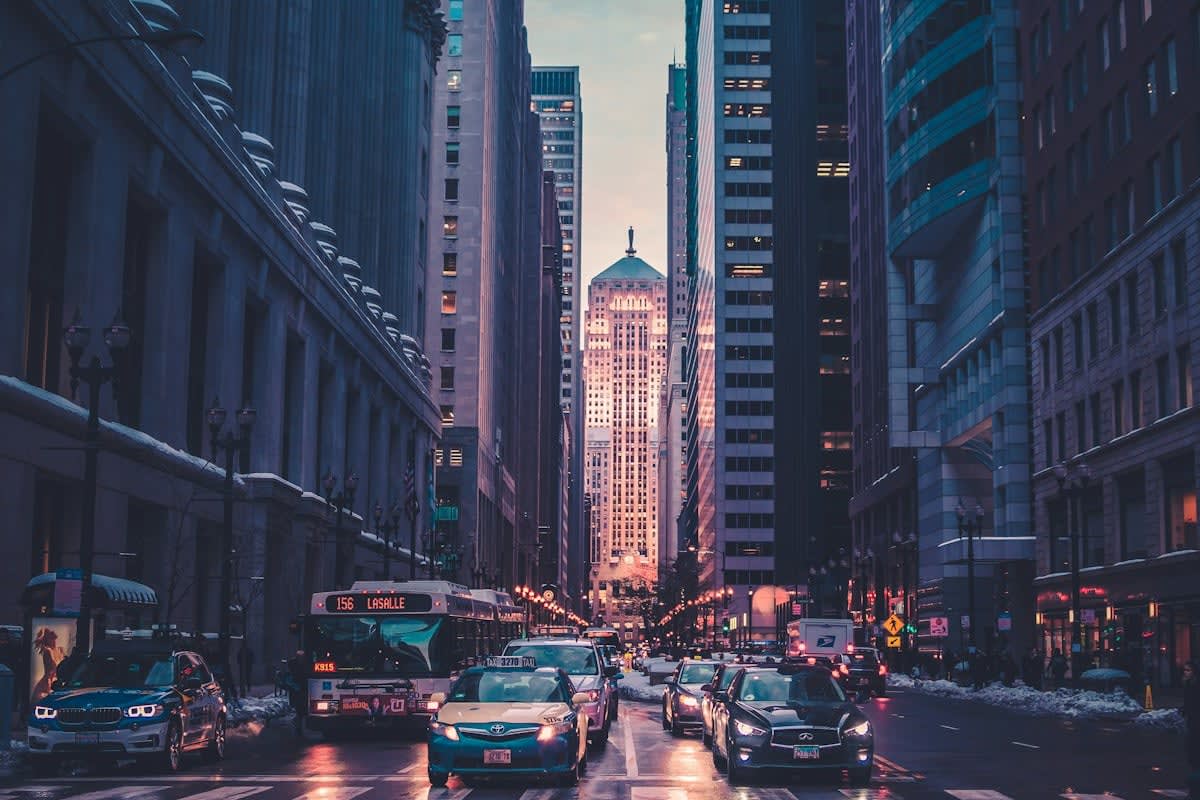
Nairobi is a city of contrasts when it comes to everyday errands. In one estate, a rider can reach your gate in fifteen minutes. A few kilometers away, on the other side of a jammed junction, the same trip might take an hour. Anyone who has waited for a delivery during the evening rush on Waiyaki Way or Mombasa Road knows that "traffic" is not just a word in Nairobi — it is a variable you plan around, the same way you plan around rain during the long rains.
Cooking gas is no exception. LPG (liquefied petroleum gas) has become the default cooking fuel for a large share of Nairobi households, replacing kerosene and charcoal for reasons of cost, convenience, and health. But ordering gas in a city of millions spread across dozens of estates, apartment blocks, and gated compounds comes with its own logistics puzzle. Where you live, what time you order, and how your building handles visitors and deliveries all affect how quickly your cylinder actually arrives.
This guide walks through what to realistically expect from LPG delivery across Nairobi's neighborhoods — from the leafy suburbs of Karen and Runda to the dense apartment corridors of Kilimani and South B, and the fast-growing satellite estates around Ruaka and Kasarani. We cover typical delivery windows, the best times to place an order, how estate security and gate protocols affect handoffs, and practical tips that make the difference between a smooth delivery and a frustrating wait.
How LPG Delivery Coverage Works Across Nairobi
Nairobi's LPG delivery ecosystem is built around a network of local vendors, refillers, and independent riders who cover specific zones of the city. Rather than one single company serving the entire metropolitan area from a central depot, most delivery happens through vendors who are closest to you geographically — which is part of why delivery speed varies so much by neighborhood.
Broadly, Nairobi's delivery coverage tends to cluster around a few types of areas:
- Established residential suburbs such as Kilimani, Kileleshwa, Lavington, Westlands, and Parklands, where dense apartment living and high LPG adoption have made these some of the most consistently served parts of the city.
- Low-density leafy suburbs such as Karen, Runda, Muthaiga, and Lang'ata, where compounds are larger, distances between homes are greater, and delivery times can stretch out simply because of geography.
- High-density residential zones such as South B, South C, Embakasi, Umoja, and Kasarani, where large populations and shorter distances between stops can actually make deliveries more efficient once a rider is in the area.
- Growing satellite estates such as Ruaka, Kikuyu, Rongai, and parts of Ruiru, where demand has grown quickly alongside new apartment developments, though coverage can still be thinner than in more established zones.
Because coverage is dynamic and vendors are constantly onboarding in new estates, the most reliable way to check what is available at your specific address is to search directly through the CylinTech locations hub rather than relying on general assumptions about your neighborhood. This is especially true if you live in a newer development or an estate on the edge of the city, where coverage can change from month to month as more vendors register.
If you are new to how the ordering process works end to end — from selecting a cylinder size to confirming delivery — it helps to start with the complete guide to LPG delivery in Kenya, which walks through the basics before you place your first order.
Typical Delivery Times: What "Fast" Actually Means in Nairobi
One of the most common questions from first-time users is simple: how long will my gas actually take to arrive? The honest answer is that it depends heavily on three things — your distance from an active vendor, the time of day you order, and the state of traffic on the specific route a rider needs to take to reach you.
As a general rule of thumb, delivery within Nairobi's core residential and commercial areas typically takes somewhere in the range of 30 to 90 minutes from order confirmation to arrival at your gate, with many orders in well-covered areas landing on the faster end of that range during off-peak hours. During heavy traffic periods, or for addresses further from a vendor's base, that window can reasonably stretch beyond an hour. It is worth being cautious of any promise that sounds too specific or too fast — Nairobi traffic is simply too unpredictable for anyone to guarantee an exact delivery time down to the minute.
A few factors consistently affect delivery speed in Nairobi:
- Proximity to a vendor. Orders placed from areas close to an active vendor's base naturally arrive faster than those requiring a longer cross-town trip.
- Time of day. Morning rush (roughly 6:30–9:00 AM) and evening rush (roughly 4:30–8:00 PM) are the two windows when Nairobi's arterial roads — Thika Road, Mombasa Road, Waiyaki Way, Ngong Road, Jogoo Road, and Langata Road among them — slow to a crawl. A trip that takes fifteen minutes at midday can take three or four times as long during these windows.
- Weather. Heavy rain slows traffic and affects rider safety on motorcycles, the primary delivery vehicle for most LPG orders in the city. Expect delays during downpours, particularly in areas prone to flooding.
- Estate access complexity. Gated compounds with strict visitor registration, multi-building apartment complexes with confusing numbering, or estates with a single congested entry point can all add several minutes to a delivery that would otherwise be quick.
- Order accuracy. Incomplete or vague delivery instructions are one of the most avoidable causes of delay. A rider circling an estate looking for the right gate loses time that a clear pin location and phone number would have saved.
For a deeper look at the technology that helps riders navigate these variables — live tracking, route optimization, and real-time order status — see this breakdown of GPS technology in LPG delivery. Real-time tracking has become one of the more useful tools for managing expectations, since it lets you see roughly where your rider is rather than guessing.
The Best Times to Order Gas in Nairobi
Timing your order well can shave a meaningful amount of time off your wait, and it is one of the easiest things to control as a customer.
Mid-Morning and Mid-Afternoon Are Generally Fastest
The stretch between roughly 9:30 AM and 4:00 PM tends to offer the most predictable delivery windows in most parts of Nairobi. Rush-hour congestion has cleared, schools have already opened (reducing the chaos around drop-off routes), and riders are able to move between stops without the gridlock that defines the morning and evening commute.
Avoid Ordering Right Before Rush Hour
If you know you will need gas, it is worth placing your order before the rush windows begin rather than during them. Ordering at 4:00 PM for delivery in Kilimani or Westlands, for instance, means your rider may spend the bulk of the delivery window stuck in exactly the kind of traffic that defines Nairobi's evening commute. Ordering an hour or two earlier avoids this entirely.
Weekends Have Their Own Rhythm
Saturday mornings tend to be busy for LPG orders city-wide, since many households restock over the weekend. This can mean slightly longer waits simply due to order volume, even though road traffic itself is often lighter than on weekdays. Sunday afternoons, by contrast, tend to be quieter on the roads and can be a good window for less time-sensitive orders.
Plan Ahead Rather Than Waiting Until You Run Out
The single most effective way to avoid being caught without gas is to reorder before your cylinder is empty, not after. Running out mid-meal preparation puts you at the mercy of whatever traffic and demand conditions exist at that exact moment. Many households in Nairobi now use recurring orders to stay ahead of this — see this guide on LPG subscription services in Kenya for how scheduled refills can remove the guesswork from timing entirely.
Delivery by Neighborhood Type: What to Expect
Rather than promising specific coverage in specific estates — which changes as vendors expand — it helps to understand the general patterns across different types of Nairobi neighborhoods.
Westlands, Parklands, and the Commercial-Residential Belt
This corridor combines dense apartment living with heavy daytime commercial traffic, since it is also home to offices, restaurants, and hotels. Delivery here is generally efficient outside of rush hour, though Waiyaki Way congestion and the Westlands roundabout area can slow things down significantly during peak commute times.
Kilimani, Kileleshwa, and Lavington
These are among Nairobi's most densely populated apartment-living zones, with high LPG adoption driven by the sheer number of households per building. Delivery density in these areas tends to work in residents' favor — a rider serving one building can often reach several nearby orders in a single trip — but narrow access roads and one-way systems around Kilimani in particular can add time during busy periods.
Karen, Runda, and Muthaiga
These low-density suburbs are characterized by larger plots, longer driveways, and more spread-out addresses. Delivery times here are often longer simply because of distance between stops, even when road traffic itself is lighter than in the city center. Clear gate instructions matter more here than almost anywhere else in the city, since compounds can be large and entrances are not always obvious from the road.
South B, South C, and Embakasi
These high-density residential areas have seen strong LPG adoption and tend to have efficient delivery once a rider is in the zone, since many orders can be clustered together. Proximity to Mombasa Road means rush-hour spillover traffic can affect access at certain times of day, particularly near the major junctions.
Lang'ata, Kasarani, and Ruaka
These represent some of Nairobi's fastest-growing residential zones, with substantial new apartment construction in the last several years. Coverage in these areas has expanded considerably as demand has grown, though as with any newer development, it is worth checking current coverage directly through CylinTech's locations page before assuming a specific vendor serves your exact estate.
Regardless of which part of Nairobi you live in, the safest approach is always to verify current coverage for your specific address rather than relying on general neighborhood reputation — coverage is genuinely dynamic and expands regularly as more vendors register on the platform.
Estate Access and Gate Procedures: The Nairobi-Specific Detail That Matters Most
If there is one factor that trips up first-time LPG delivery customers in Nairobi more than any other, it is estate and building access. Unlike delivery in many other cities, a huge share of Nairobi's residential addresses sit behind a gate, a security desk, or a visitor registration system — and each one works slightly differently.
Gated Estates and Compounds
Many Nairobi estates require visitors, including delivery riders, to register at a gatehouse before being allowed in. This typically involves the guard calling the resident to confirm the delivery, noting down the rider's name and motorcycle registration, and sometimes requiring an ID. To speed this up:
- Let your gate or security desk know in advance that a delivery is expected, especially if your estate has a stricter vetting process.
- Provide the rider's expected arrival window if you have it from your order confirmation, so security can wave them through faster.
- Keep your phone reachable during the delivery window in case the guard needs to confirm you are expecting the rider.
Apartment Buildings and Multi-Unit Complexes
For apartment living, the biggest source of delay is usually ambiguity — a building with multiple blocks, unclear unit numbering, or a caretaker who is not always at the entrance. Providing your block letter, floor, and unit number clearly in your delivery notes, along with a landmark if your building is easy to confuse with a neighboring one, removes a lot of the back-and-forth that otherwise happens over phone calls once the rider has already arrived.
Estates with Restricted Boda Boda Access
Some higher-end estates and gated communities restrict motorcycle access beyond the main gate for security reasons, meaning the rider may need to meet you at the gatehouse rather than at your door. It is worth knowing your estate's policy in advance so you are not caught off guard waiting at your door while your rider waits at the gate. A quick note in your delivery instructions — "meet at gate, will collect" — avoids this entirely.
Security Desk Procedures for Cylinder Handoffs
Because LPG cylinders are a controlled, safety-sensitive product, it is common — and sensible — for security desks to note down delivery details as part of estate visitor logs. If your building has a stricter security process (common in office parks and mixed-use developments), give yourself a little extra buffer time compared to a straightforward residential delivery. This is also a good moment to make sure you are following sound cylinder handling and storage practices once the gas reaches your home — the LPG safety guide for Kenyan households covers what to check when your cylinder arrives and how to store it safely afterward.
Payment and Confirmation: Making the Handoff Smooth
Nairobi's LPG delivery culture is built almost entirely around M-Pesa, and for good reason — it is fast, it creates a clear transaction record, and it avoids the awkwardness of exact change that comes with cash payments at the door. When a rider arrives, having your payment ready (or already completed through the app at checkout) speeds up the handoff considerably, particularly in estates where riders are not permitted to linger at the gate for long.
If you are paying on delivery rather than in advance, keep your phone charged and your M-Pesa PIN ready so the transaction does not become the bottleneck in an otherwise fast delivery. For households that reorder frequently, saving preferred payment details and delivery instructions through your CylinTech account removes this friction from every future order.
Practical Tips for a Smoother Nairobi Delivery Experience
A few habits consistently make the difference between a fast, uneventful delivery and a frustrating one:
- Pin your exact location rather than describing it. Nairobi's street naming and numbering is inconsistent in many estates, and a dropped map pin is far more reliable than a verbal description, especially for riders unfamiliar with a specific compound.
- Include a landmark. "Next to the blue gate past the mosque" or "opposite the primary school" can save a rider several minutes of confusion, particularly in estates with repetitive building designs.
- Order before you are completely out of gas. This gives you a buffer against traffic delays or unexpected demand spikes, and avoids the stress of needing gas immediately.
- Keep your phone on and reachable. Riders frequently need to call for gate codes, directional guidance, or confirmation once they reach the estate.
- Double-check your cylinder size and brand preference before confirming. Switching cylinder sizes or brands after a rider is already en route causes unnecessary delays. If you are unsure which size suits your household, the residential LPG guide for Kenyan homes breaks down typical consumption patterns by household size.
- Know your estate's visitor policy in advance. A five-minute conversation with your caretaker or security desk about delivery procedures saves confusion every single time afterward.
- Compare current pricing before you order. LPG prices can shift with fuel costs and broader market conditions, so it is worth checking current LPG prices in Kenya or CylinTech's pricing page rather than assuming last month's rate still applies.
Choosing a Reliable Vendor in a Large City
Nairobi's size means there is no shortage of vendors, but reliability varies. A few things worth weighing:
- Consistency of coverage in your specific area rather than a general citywide reputation.
- Brand availability, since not every vendor stocks every cylinder brand — the guide to top LPG brands in Kenya is a useful reference if you have a brand preference tied to a specific regulator, valve type, or exchange program.
- Transparency around pricing, including any delivery fees, which should be clear before you confirm an order.
- Responsiveness, particularly for time-sensitive commercial needs — restaurants, cafés, and small hotels in Nairobi have different delivery urgency than a typical household, and it is worth reading the guide to commercial LPG for hotels and restaurants if you run a food business.
Browsing CylinTech's vendor listings directly is the most reliable way to compare options serving your specific part of the city, rather than relying on word of mouth alone, which can be outdated by the time you act on it.
Avoiding Common Mistakes
Even experienced LPG users in Nairobi run into avoidable delays: waiting until the cylinder is completely empty before reordering, providing vague delivery addresses, forgetting to inform estate security of an expected delivery, or not checking whether a preferred brand is available before ordering. The guide to common LPG mistakes Kenyans make covers these in more detail.
Why This Matters Beyond Convenience
Reliable, well-timed LPG delivery is not just about convenience — it plays into the broader shift away from kerosene and charcoal as primary cooking fuels in urban Kenya, a shift that groups like the Clean Cooking Alliance and the World Health Organization have long linked to better household air quality and health outcomes. The International Energy Agency and the World Bank have both tracked LPG adoption as a marker of energy access progress across Sub-Saharan Africa. For more on this shift, see LPG and Kenya's clean energy future and this comparison of LPG versus kerosene and charcoal costs.
On the regulatory side, the Energy and Petroleum Regulatory Authority (EPRA) oversees LPG pricing and safety standards nationally, while the Kenya Bureau of Standards (KEBS) sets product and cylinder safety requirements that reputable vendors are expected to meet. The National Environment Management Authority (NEMA) also plays a role where LPG storage and handling intersect with environmental compliance, particularly for larger commercial operators. If you are a vendor or considering registering as one, the LPG vendor registration guide for Kenya outlines what compliance looks like in practice.
Behind the scenes, reliable same-day delivery in a sprawling, traffic-heavy city like Nairobi increasingly depends on the technology coordinating riders, orders, and routes in real time. Platforms built on modern logistics tooling — the kind of work that companies like Kingpin Tech specialize in — are part of why real-time order tracking has become a standard expectation rather than a luxury for Nairobi customers.
Payment infrastructure matters too. The dominance of mobile money in Kenya, tracked by institutions like the Central Bank of Kenya and enabled at scale by providers like Safaricom, is a big part of why cash-on-delivery friction has largely disappeared from the LPG buying experience in Nairobi. Broader population and household data from the Kenya National Bureau of Statistics also helps explain why Nairobi's dense estates see such consistent delivery demand.
Delivery Riders: The People Making It Work
None of this works without the riders navigating Nairobi's roads, gates, and estates every day. If you have ever wondered what the job actually involves — from route planning during rush hour to handling estate security procedures across dozens of different compounds — the guide to becoming a CylinTech delivery rider offers a look at what the role requires and how riders are supported with tools like navigation and order tracking. For entrepreneurs looking at the broader opportunity, the guide on how to start an LPG delivery business in Kenya covers what it takes to operate in a market as complex and fast-moving as Nairobi's.
Conclusion
Nairobi's LPG delivery landscape rewards a bit of planning. Understanding that delivery speed depends on your proximity to an active vendor, the time of day you order, and how well you communicate your estate's access procedures puts you in control of an experience that can otherwise feel unpredictable. Order during the mid-morning or mid-afternoon lull rather than rush hour when you can, keep your gate or security desk informed, pin your exact location, and reorder before you run completely out — these small habits consistently translate into faster, less stressful deliveries across every part of the city, from Karen's quiet compounds to Kasarani's busy apartment blocks.
If you are ready to see what coverage looks like at your specific address, browse CylinTech's locations page to check vendors near you, or head straight to place an order and experience how quickly reliable delivery can work when timing and location details are handled right. For more on how the whole system fits together — from vendor onboarding to safety standards — explore the CylinTech services overview, read more on the blog, or get in touch through the contact page if you have questions specific to your building or estate. And if sustainability and cleaner cooking fuel access matter to you, our sustainability page covers how LPG adoption fits into Kenya's broader energy transition, alongside our FAQ and about pages for anything else you would like to know before your next order.